What is the most common electrolyte imbalance?
News 2025-04-07
The most common electrolyte imbalances are hyponatremia (low sodium), hypokalemia (low potassium), and hypocalcemia (low calcium). Here’s a breakdown:
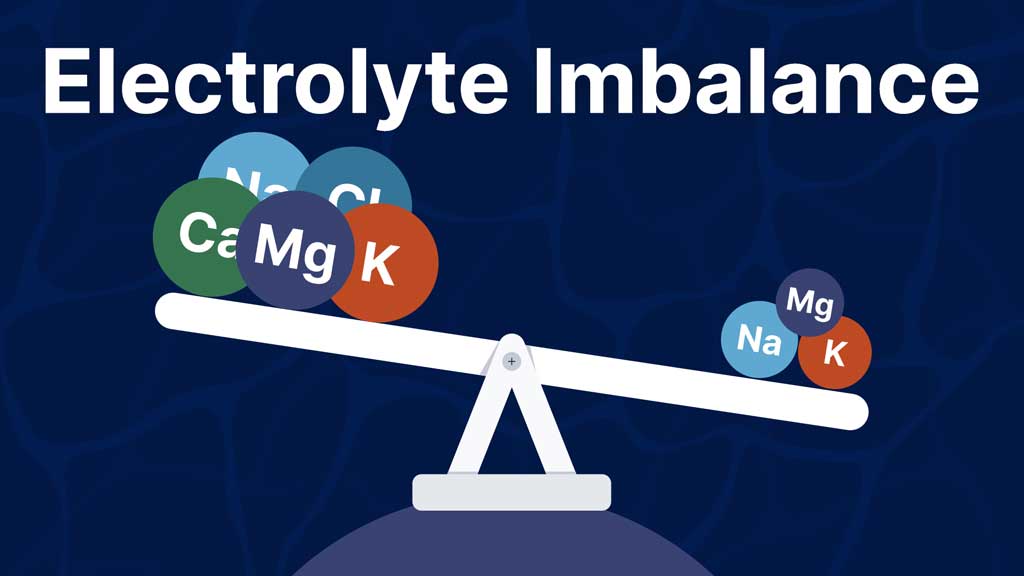
Hyponatremia (Low Sodium)
Frequency: Often due to excessive fluid intake, diuretic use, or conditions like heart failure or kidney disease.
Symptoms: Headache, nausea, confusion, muscle cramps, or seizures in severe cases.
Hypokalemia (Low Potassium)
Frequency: Commonly caused by diuretics, gastrointestinal losses (vomiting/diarrhea), or poor dietary intake.
Symptoms: Muscle weakness, fatigue, arrhythmias (irregular heartbeat), and constipation.
Hypocalcemia (Low Calcium)
Frequency: Often linked to vitamin D deficiency, parathyroid issues, or acute pancreatitis.
Symptoms: Muscle cramps, numbness/tingling, anxiety, or tetany (involuntary muscle contractions).
Why These Are Most Common:
Sodium/Potassium: Easily disrupted by fluid shifts (e.g., dehydration, overhydration) or medications.
Calcium: Highly regulated by hormones like parathyroid hormone (PTH) and vitamin D, making deficiencies more frequent.
Diagnosis/Treatment:
Confirmed via blood tests; treated with electrolyte supplements, dietary adjustments, or addressing underlying causes (e.g., kidney dysfunction, hormonal imbalances).
These imbalances can significantly impact heart, muscle, and nerve function, highlighting the need for prompt medical evaluation and correction.


