The Organic Chemicals Industry
News 2025-04-03
The organic chemicals industry is a cornerstone of modern industrial development, playing a vital role in the production of everyday goods, advanced materials, and life-saving pharmaceuticals. Below is a structured breakdown of its key aspects:
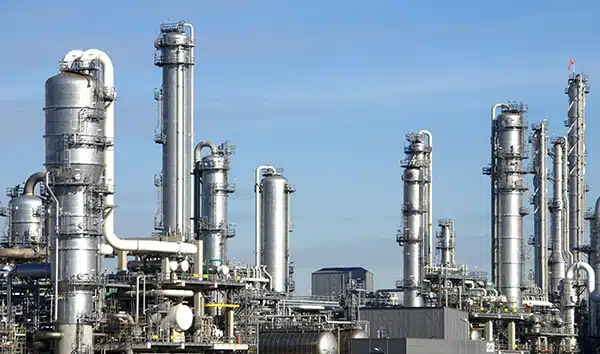
1. Definition and Classification
Definition: The organic chemicals industry processes raw materials like coal, petroleum, natural gas, and biomass to produce organic compounds, which serve as building blocks for plastics, polymers, solvents, pharmaceuticals, and more.
Major Subsectors:
- Basic Organic Chemicals: Produces fundamental feedstocks (e.g., ethylene, propylene, benzene) from petroleum or coal.
- Fine Chemicals: Specializes in high-purity, low-volume products (e.g., dyes, pharmaceuticals, agrochemicals).
- Polymer Chemistry: Focuses on synthetic materials like plastics (polyethylene), rubber, and fibers (polyester).
2. Applications
Organic chemicals are integral to diverse industries:
- Plastics: Ethylene and propylene are key for polyethylene (packaging) and polypropylene (automotive parts).
- Textiles: Synthetic fibers like polyester and nylon dominate global textile production.
- Pharmaceuticals: Active ingredients in drugs (e.g., aspirin, antibiotics) rely on organic synthesis.
- Agriculture: Pesticides and fertilizers enhance crop yields.
- Energy: Methanol and biodiesel are emerging as sustainable fuel alternatives.
3. Current Status
Market Growth: China is the world’s largest market, with a compound annual growth rate (CAGR) exceeding 6% over the past decade. Fine chemicals and pharmaceutical intermediates are high-demand segments.
Competition:
- Key Players: State-owned enterprises (e.g., Sinopec, CNPC) and multinationals (BASF, Dow) dominate.
- Emerging Trends: Private firms and startups are gaining ground in specialized, eco-friendly products.
- Policy Support: Governments promote green technologies and innovation to reduce emissions and boost sustainability.
4. Future Trends
High-End Specialization: Customized solutions for electronics, aerospace, and biomedicine.
Green Chemistry:
- Renewable Feedstocks: Bio-based chemicals from agricultural waste reduce fossil fuel reliance.
- Circular Economy: Recycling plastics and CO₂ utilization in chemical production.
Digitalization:
- Smart Manufacturing: IoT sensors and AI optimize production efficiency.
- Process Automation: Reduces waste and energy consumption.
- Globalization: Expansion into emerging markets (e.g., Southeast Asia, Middle East) to meet growing demand.
Challenges and Opportunities
Challenges: Volatile oil prices, trade tensions, and environmental regulations.
Opportunities:
- Innovation: Advanced catalysts and green solvents lower costs and emissions.
- Sustainability: Carbon neutrality targets drive investment in eco-friendly processes.
Conclusion
The organic chemicals industry is at the forefront of technological and environmental progress, balancing innovation with sustainability. As global demand for specialized materials and eco-conscious products grows, the industry will continue to evolve, shaping the future of manufacturing, healthcare, and daily life.


