The difference between agricultural chemicals and pesticides
FAQ 2025-03-25
The distinction between agricultural chemicals and pesticides lies in their definitions, scope of application, and specific functions within agricultural production.
Definitions and Scope
Agricultural Chemicals: These are a broad category of chemical products used in agricultural operations. They encompass a wide range of substances, including but not limited to pesticides, fertilizers, plant growth regulators, soil conditioners, and more. These chemicals play crucial roles in modern agriculture, helping farmers increase crop yields, improve crop quality, and effectively manage pests and diseases.
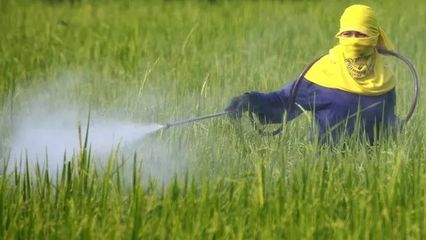
Pesticides: Pesticides are a specific subset of agricultural chemicals primarily used to control pests, diseases, and weeds that can harm crops. They come in various forms, such as insecticides, fungicides, and herbicides, each designed to target specific types of pests or weeds.
Functions and Uses
Agricultural Chemicals:
Fertilizers: Provide essential nutrients for crop growth, such as nitrogen, phosphorus, and potassium, promoting healthy plant development.
Plant Growth Regulators: Adjust the growth rate and plant architecture, enhancing crop quality.
Soil Conditioners: Improve soil structure and fertility, creating a better growing environment for crops.
Pesticides:
Insecticides: Combat insects that feed on or damage crops, protecting plants from pest infestations.
Fungicides: Prevent and control fungal diseases, safeguarding crops from pathogen damage.
Herbicides: Manage weed growth, reducing competition for nutrients, light, and space, thereby increasing crop yields.
Characteristics and Impacts
Agricultural Chemicals: Due to their diverse nature, agricultural chemicals exhibit a wide range of characteristics and impacts. For instance, fertilizers can rapidly supply nutrients but excessive use may lead to soil pollution and water eutrophication. Plant growth regulators and soil conditioners can improve crop growth conditions and quality, but their correct application is essential to avoid adverse effects on the environment.
Pesticides: While pesticides significantly boost crop yields and quality, long-term or improper use can lead to increased pest resistance and potential harm to human health and the environment. Therefore, pesticide use must strictly adhere to relevant regulations and guidelines to ensure safety and effectiveness.
Conclusion
In summary, agricultural chemicals encompass a broad spectrum of chemical products, with pesticides being a key subset. Each type of chemical serves distinct purposes and functions within agricultural production. Pesticides are primarily used for pest and weed control, but their prolonged or inappropriate use can pose challenges. When using agricultural chemicals, it is crucial to consider their benefits and drawbacks comprehensively and adhere to relevant regulations and guidelines to ensure safe and effective application.


