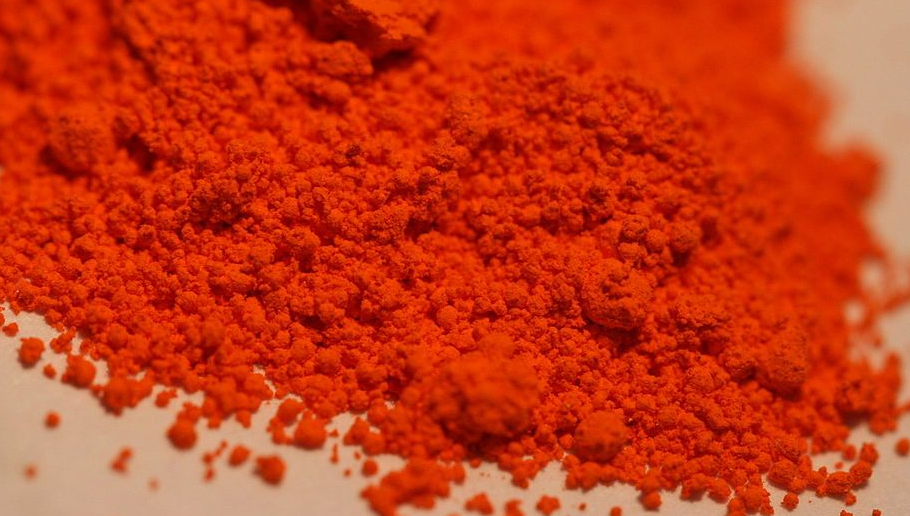
Telicoplanin CAS NO.:61036-62-2
Active Pharmaceutical Ingredients 2025-03-11
CAS NO.:61036-62-2
Molecular formula:C77H77N9O31Cl2.R
Molecular weight:
Standard:JP/ EP
Content:≥900ug/mg
Packaging:1KG/Tin
Use to:Glycopeptides
Telicoplanin: An Effective Antibacterial Agent
Telicoplanin is a significant glycopeptide antibiotic used in the management of various bacterial infections.
1. General and Pharmacokinetic Information
| Aspect | Details |
| Source | Produced by Actinoplanes teichomyceticus |
| Chemical Class | Glycopeptide |
| Administration | Intravenous injection (for systemic infections), can also be used intramuscularly in some cases |
| Distribution | Distributes well in most body tissues, including bone, but has limited penetration into the cerebrospinal fluid without inflammation |
| Metabolism | Undergoes minimal metabolism in the body |
| Elimination | Primarily excreted unchanged in the urine, with a long elimination half – life of approximately 47 – 100 hours in adults |
2. Mechanism of Action
| Action | Explanation |
| Inhibition of Cell Wall Synthesis | Telicoplanin binds to the D – alanyl – D – alanine terminal of the lipid – linked peptidoglycan precursors in the cell wall of Gram – positive bacteria. This binding prevents the transglycosylation and transpeptidation reactions that are essential for the elongation and cross – linking of the peptidoglycan chains. As a result, the cell wall synthesis is disrupted, leading to cell lysis and death of the bacteria. |
3. Clinical Applications and Adverse Effects
| Category | Details |
| Clinical Applications | Used mainly for treating severe infections caused by Gram – positive bacteria. It is effective against methicillin – resistant Staphylococcus aureus (MRSA), Staphylococcus epidermidis, Streptococcus pyogenes, and Enterococcus faecalis. Indicated for skin and soft – tissue infections, bloodstream infections, endocarditis, and osteomyelitis. |
| Adverse Effects | Infusion – related reactions such as rash, pruritus, and rarely anaphylaxis can occur. Nephrotoxicity is a concern, especially with high doses or in patients with pre – existing renal impairment, manifested as increased serum creatinine levels. Thrombocytopenia may also be observed in some patients. |
Telicoplanin plays a crucial role in the treatment of Gram – positive bacterial infections, but its use needs to be carefully monitored to manage potential adverse effects.