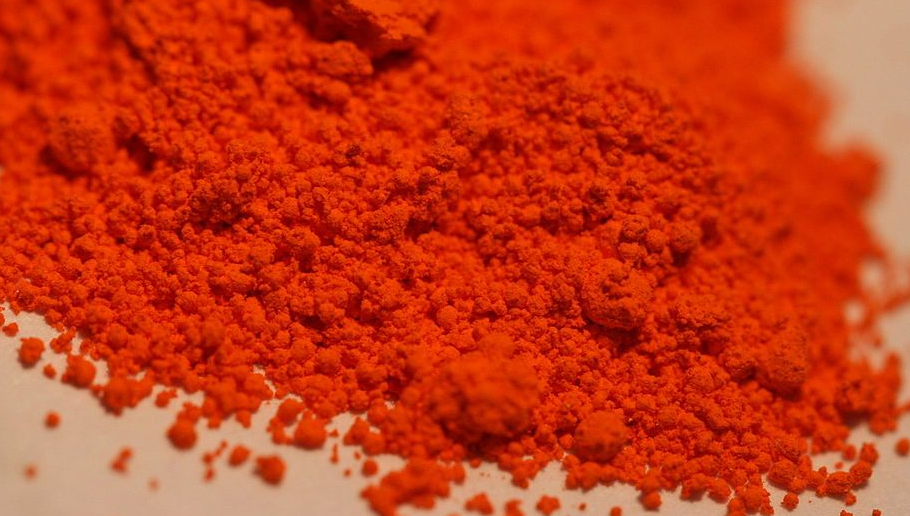
Pralidoximechloride
Active Pharmaceutical Ingredients 2025-03-03
Catalog ID 80020375
CAS NO.51-15-0
Purity 98%
MDL NumberMFCD00011981
EINEC Molecular Formula C7H9ClN2O
Molecular Weight 172.6122
Melting point: 230°C
| Category | Information |
|---|---|
| Chemical Properties | – Molecular Formula: C₇H₈ClNO₂<br>- Molecular Weight: 167.6 g/mol |
| Physical Properties | – Appearance: White to off-white powder<br>- Melting Point: 150-155°C |
| Mechanism of Action | – Pralidoxime chloride is a cholinesterase reactivator that works by binding to the anionic site of acetylcholinesterase (AChE) and displacing the organophosphate (OP) molecule.<br>- It forms a complex with the OP molecule, which then hydrolyzes, thus restoring the active site of AChE.<br>- Pralidoxime primarily acts on nicotinic receptors, relieving symptoms like muscle weakness and fasciculations. |
| Clinical Uses | – Organophosphate Poisoning: Used as an antidote for poisoning by organophosphate pesticides and nerve agents.<br>- Nerve Agent Poisoning: Approved as an antidote for nerve agents like sarin, tabun, soman, and cyclosarin.<br>- Myasthenia Gravis: Used to manage overdose of acetylcholinesterase inhibitors prescribed for myasthenia gravis. |
| Administration | – Route: Intravenous (IV) infusion or intramuscular (IM) injection.<br>- Dosage: Typically administered as a loading dose of 1-2 g IV over 15-30 minutes, followed by continuous infusion if needed.<br>- Pediatric and Geriatric Use: Doses are similar to adults, but caution is advised in elderly patients with renal insufficiency. |
| Contraindications | – Contraindicated in carbamate-induced toxicity (except for carbaryl).<br>- History of prior drug allergy to pralidoxime. |
| Monitoring | – Plasma concentration of 4 mg/L is necessary to protect AChE against OP compounds.<br>- Continuous infusion is recommended to maintain therapeutic levels.<br>- Renal function should be monitored, especially in patients with renal insufficiency. |
| Toxicity | – Relatively nontoxic; adverse effects include dizziness, diplopia, headache, tachycardia, and blurred vision.<br>- Supportive therapy is sufficient to manage pralidoxime toxicity. |
| Storage Conditions | Store at room temperature, protect from light and moisture. |
Disclaimer: The above content is for reference and communication only among industry insiders, and does not guarantee its accuracy or completeness. According to relevant laws and regulations and the regulations of this website, units or individuals who purchase related items should obtain valid qualifications and qualification conditions.