Organosilicon
We are a manufacturer based in China. We specialize in providing high-quality Organosilicon for industrial clients across various sectors. Whether you need chemicals consultation or technical support, our team is here to help.
Category:Organic Chemicals Own Brand:MT /MOQ:100KG /From China/ B2B only.

Introduction
Definition & Structure
Organosilicon Compounds are hybrid materials combining silicon (Si) and carbon (C) in their molecular structure.
- General Formula: RₙSiX₄₋ₙ (R = organic group; X = H, Cl, OR, etc.)
- Key Feature: Si–C bonds confer unique thermal/chemical stability while maintaining organic functionality.
Classification & Examples
| Type | Example | Structure | Key Properties |
|---|---|---|---|
| Silicones | Polydimethylsiloxane (PDMS) | 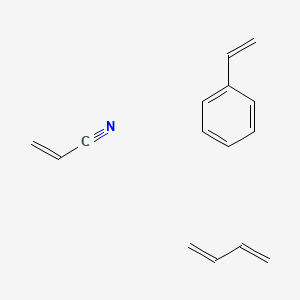 |
Flexible, hydrophobic, biocompatible |
| Silanes | Tetramethylsilane (Si(CH₃)₄) | 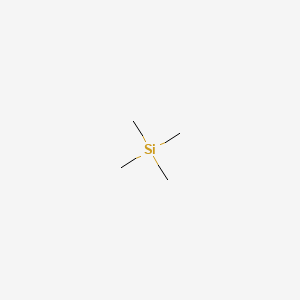 |
Coupling agents, precursors |
| Silsesquioxanes | Polyhedral Oligomeric Silsesquioxane (POSS) |  |
Nanostructured, high-strength |
Key Properties
| Property | Advantage | Measurement Method |
|---|---|---|
| Thermal Stability | Stable from -50°C to +250°C+ | TGA (Thermogravimetric Analysis) |
| Chemical Inertness | Resists UV, acids, bases | ASTM D543 (chemical resistance) |
| Electrical Insulation | Dielectric strength >20 kV/mm | IEC 60243 (breakdown voltage) |
| Hydrophobicity | Water contact angle >100° | Goniometry |
Industrial Applications
| Industry | Use Case | Example Product |
|---|---|---|
| Coatings | Water-repellent paints | Silicone resin coatings |
| Electronics | Encapsulants, insulators | Silicone gels for ICs |
| Medical | Implants, tubing (biocompatible) | PDMS catheters |
| Automotive | High-temp gaskets, lubricants | Silicone oils |
Disclaimer: The above content is for reference and communication only among industry insiders, and does not guarantee its accuracy or completeness. According to relevant laws and regulations and the regulations of this website, units or individuals who purchase related items should obtain valid qualifications and qualification conditions.
If you're ready to take the next step, Leave your message below and we’ll reply soon. 20+ years of chemical manufacturing & export experience, a partner you can trust.
Inquiry
Factory & Shipment


