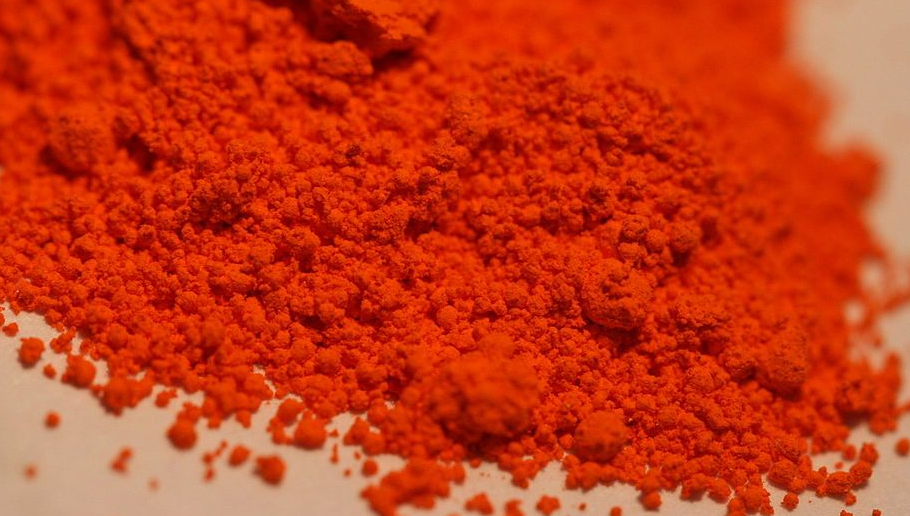
Introduction of 1-chloro-3-dimethylaminopropane hydrochloride
News 2025-04-08
1. Chemical Information
- CAS Number: 5407-04-5
- IUPAC Name: 1-Chloro-3-(dimethylamino)propane Hydrochloride
- Other Names:
- 3-(Dimethylamino)propyl Chloride Hydrochloride
- N,N-Dimethyl-3-chloropropanamine Hydrochloride
- 3-Chloro-N,N-dimethylpropanamine Hydrochloride
- Molecular Formula: C₅H₁₃Cl₂N
- Molecular Weight: 158.07 g/mol
- Physical State: White to off-white crystalline solid
- Purity: Typically ≥98% (varies by supplier)
2. Chemical Properties
- Melting Point: 187–190°C (lit.)
- Solubility: Soluble in water (2000 g/L at 20°C) and polar solvents; insoluble in nonpolar hydrocarbons.
- Reactivity: Stable under normal conditions but hygroscopic; reacts with bases to release 1-Chloro-3-Dimethylaminopropane.
- pH (500 g/L, 20°C): 5–6
3. Applications
- Pharmaceutical Intermediate: Critical for synthesizing antipsychotics (e.g., chlorpromazine, thioridazine), antidepressants (e.g., imipramine, amitriptyline), and tranquilizers (e.g., trifluperazine).
- Organic Synthesis: Used in the preparation of amides, quaternary ammonium salts, and other nitrogen-containing heterocycles.
- Research Chemical: Employed in academic studies for the development of neuroactive agents and pesticide intermediates.
4. Handling & Safety
- Toxicity: Highly toxic; acute oral LD₅₀ (rats) = 417 mg/kg.
- Hazards: Corrosive; causes severe skin and eye irritation. Flammable when exposed to heat or flames.
- Storage: Store in a cool, dry, and well-ventilated area, sealed in a dry container. Avoid contact with moisture and incompatible materials (e.g., acids, oxidizers).
- Personal Protection: Wear gloves, goggles, and a lab coat. Handle under a fume hood.
5. Regulatory & Compliance
- UN Number: 1789 (Class 8, Packing Group III)
- EINECS/ELINCS No.: 226-467-2
- GHS Labels:
- Signal Word: Danger
- Hazard Statements: H302 (Harmful if swallowed), H314 (Causes severe skin burns and eye damage), H318 (Causes serious eye damage), H335 (May cause respiratory irritation).
6. Suppliers & Availability
- Global Suppliers: Available from companies like Wuhan Xinyuexing Pharmaceutical Chemical, Hubei Jusheng Technology, and Shijiazhuang Ruitian Biochemical.
- Packaging: Commonly supplied in 25 kg drums or 5 kg/1 kg containers.
- Pricing: Varies based on quantity and supplier; contact manufacturers for current quotes.
7. Synthesis & Reactions
- Synthetic Route: Typically prepared by chlorinating 1-Dimethylaminopropane-3-ol (derived from dimethylamine and allyl chloride) using thionyl chloride or phosphorus pentachloride.
- Reactivity Notes: Forms quaternary ammonium salts upon reaction with alkyl halides or epoxides. Hydrolyzes in water to release 1-Chloro-3-Dimethylaminopropane and HCl.
8. Environmental Impact
- Disposal: Follow local regulations for hazardous waste. Avoid discharge into water bodies or soil.
- Biodegradability: Not readily biodegradable; may persist in the environment if improperly disposed of.