
Difference Between API and Pharmaceutical Intermediates
News 2025-03-24 415
Have you ever wondered about the differences between API (Active Pharmaceutical Ingredient) and pharmaceutical intermediates? If so, then this blog post is for you! Here, we’ll explore what exactly makes up these components of medicines, their differences, and how they come together to create powerful treatments. We’ll also look at why understanding both API and pharmaceutical intermediates can be crucial when it comes to selecting a quality medi
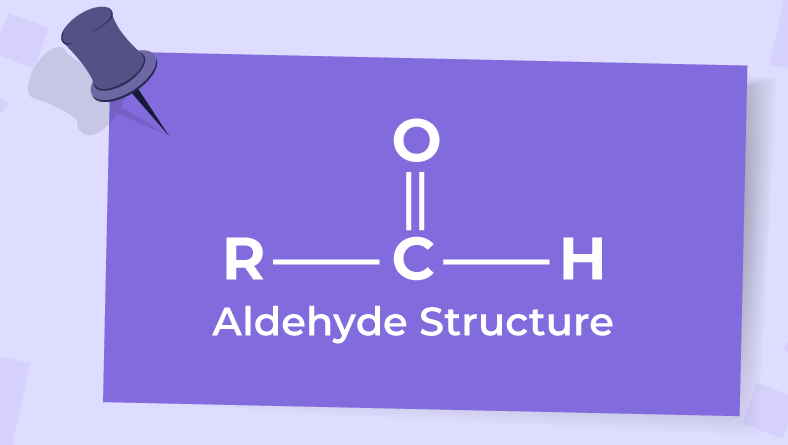
The application of aldehydes in medicine and agriculture
News 2025-03-03 431
Aldehydes Used in Medical Field for Drugs, Antibiotics, Imaging and Surgery Aldehydes are a class of organic molecules that are used in the medical field for a variety of reasons. They are used in the synthesis of drugs, as preservatives in pharmaceuticals, and as disinfectants. Aldehydes have also been used in the past as anesthetics and as antiseptics. Aldehydes are also used as preservatives in many pharmaceuticals, such as eye drops and cough
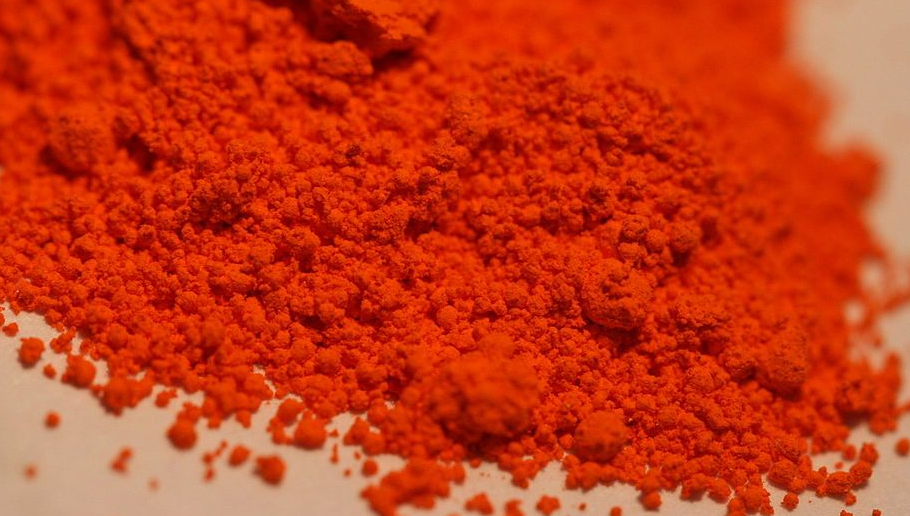
Production and Uses of Cadmium Oxide
News 2025-03-03 576
An Introduction of the Production about Cadmium Oxide Cadmium oxide is a compound of cadmium and oxygen and is classified as an oxide and peroxide. It is a white, crystalline solid with a melting point of 1320 °C and a boiling point of 1650 °C. It is insoluble in water and relatively stable in air. Cadmium oxide is used in electroplating, as a pigment in glass and ceramics, and for making semiconductors. It is also used in certain battery formula
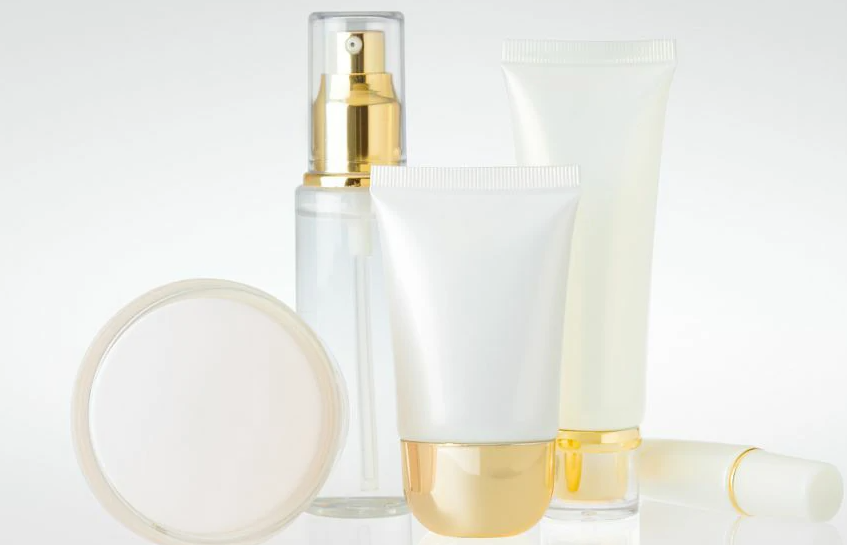
The Role of A Thickening Agent in Cosmetic Formulations
News 2025-03-03 473
Stability and emulsion control Thickening agents play a crucial role in stabilizing cosmetic emulsions. Emulsions, such as lotions and creams, consist of water-based and oil-based ingredients that naturally tend to separate. By incorporating thickening agents, the emulsion remains stable, preventing phase separation and ensuring a homogeneous product. This stability allows for a longer shelf life and maintains the integrity of the formulation. En
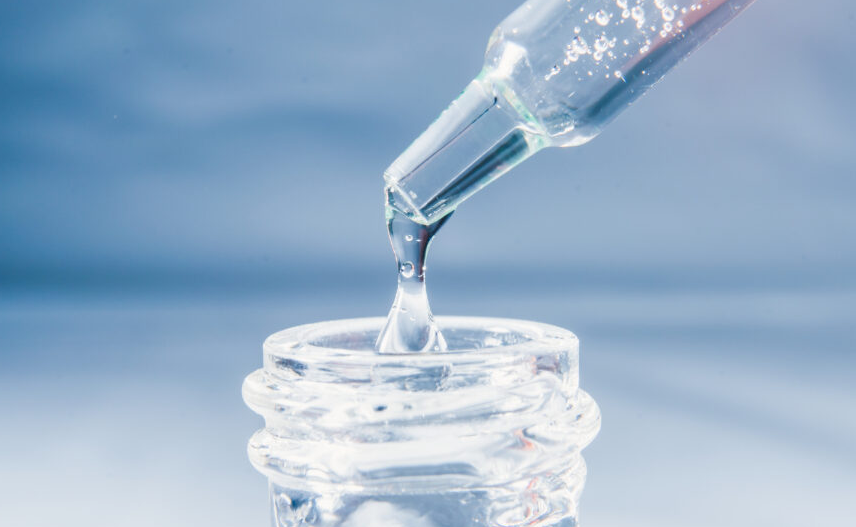
Types of Thickening Agents in Cosmetics
News 2025-03-03 1,028
Chemical thickening agents Chemical thickening agents are synthetic substances that are commonly used in cosmetic formulations. These agents offer precise control over the viscosity and texture of the product. Carbomer is a well-known chemical thickening agent that is widely used in cosmetics. It is capable of creating clear gels and thickening water-based formulations. Other examples include acrylates copolymer and cellulose derivatives. Chemica
