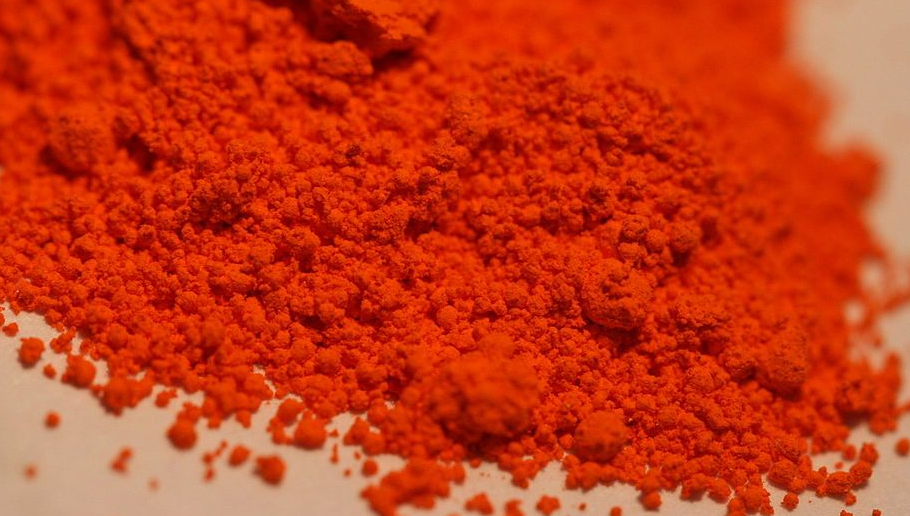
4-methylphenylboronic acid
Semiconductor Display Materials 2025-03-04
4-Methylphenylboronic acid, also known as 4-Tolylboronic acid, is a versatile organoboron compound with a methyl substituent at the 4-position of the phenyl ring and a boronic acid group. This compound is widely used in organic synthesis, material science, and pharmaceutical research due to its unique reactivity and structural properties.
Key Properties
| Property | Details |
|---|---|
| IUPAC Name | 4-Methylphenylboronic acid |
| CAS Number | 5720-05-8 |
| Molecular Formula | C₇H₉BO₂ |
| Molecular Weight | 135.96 g/mol |
| Category | Phenylboronic acid derivative, Pharmaceutical intermediate |
| Appearance | White to light yellow crystalline powder |
| Boiling Point | ~275.2°C |
| Melting Point | 256-263°C |
| Density | ~1.1 g/cm³ |
| Storage Conditions | Sealed, in a cool, dry place |
| Synthesis Method | Various methods including sulfonation and hydroboration |
| Applications | Suzuki coupling reactions, Drug synthesis, Material science |
Synthesis
4-Methylphenylboronic acid can be synthesized through various methods. One approach involves the sulfonation of 4-bromo-2.6-difluorobenzyl alcohol, followed by hydroboration with alkylborohydride lithium and subsequent hydrolysis and recrystallization to yield 4-methylphenylboronic acid. Another method involves the reaction of 4-bromotoluene Grignard reagent with trimethyl borate, followed by hydrolysis and recrystallization to obtain the desired product.
Applications
In organic synthesis, 4-Methylphenylboronic acid is a crucial building block for preparing complex molecules, especially those requiring defined stereochemistry and functionality. It is widely used in Suzuki coupling reactions, which are vital for forming carbon-carbon bonds in organic synthesis.
The compound is also used in the synthesis of biologically active molecules, such as 2-cyano-4’-methylbiphenyl, which is a key intermediate in the preparation of sartan-class antihypertensive drugs. Additionally, it serves as an intermediate in the synthesis of liquid crystal materials, highlighting its potential in advanced material applications.
Disclaimer: The above content is for reference and communication only among industry insiders, and does not guarantee its accuracy or completeness. According to relevant laws and regulations and the regulations of this website, units or individuals who purchase related items should obtain valid qualifications and qualification conditions.