Aldehydes
Organic Chemicals 2025-03-02
Definition & Structure
Aldehydes are organic compounds with a terminal carbonyl group (C=O), bonded to at least one hydrogen atom.
- General Formula: R–CHO (R = alkyl, aryl, or H)
- Key Feature: Highly reactive due to the polar C=O bond and exposed carbonyl carbon.
Classification & Examples
| Type | Example | Structure | Odor/Use |
|---|---|---|---|
| Aliphatic | Formaldehyde (HCHO) | 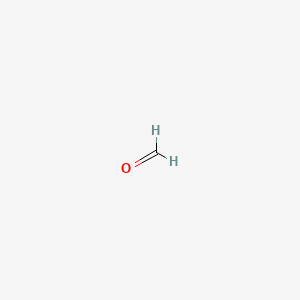 |
Pungent; disinfectant, resins |
| Aromatic | Benzaldehyde (C₆H₅CHO) | 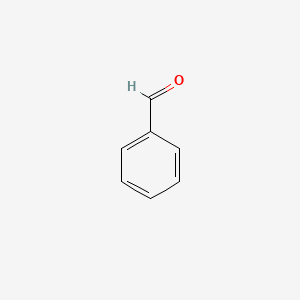 |
Almond-like; flavoring agent |
| Unsaturated | Acrolein (CH₂=CH–CHO) | 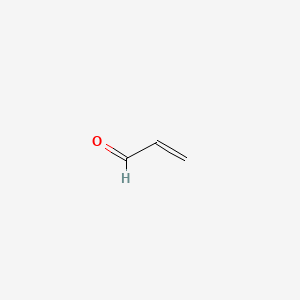 |
Sharp; tear gas, acrylic acid precursor |
Key Properties
| Property | Behavior | Application Impact |
|---|---|---|
| Reactivity | Prone to oxidation (→ carboxylic acids), nucleophilic addition | Synthesis intermediates |
| Odor | Ranges from fruity (citral) to irritating (formaldehyde) | Perfumes, warning agents |
| Boiling Point | Lower than alcohols (no H-bonding) | Volatile solvents |
Industrial Applications
| Industry | Use Case | Example Aldehyde |
|---|---|---|
| Resins | Bakelite, adhesives | Formaldehyde |
| Flavors/Fragrances | Vanillin, cinnamaldehyde | Benzaldehyde derivatives |
| Pharmaceuticals | Drug synthesis (e.g., chloral hydrate) | Acetaldehyde |
Disclaimer: The above content is for reference and communication only among industry insiders, and does not guarantee its accuracy or completeness. According to relevant laws and regulations and the regulations of this website, units or individuals who purchase related items should obtain valid qualifications and qualification conditions.